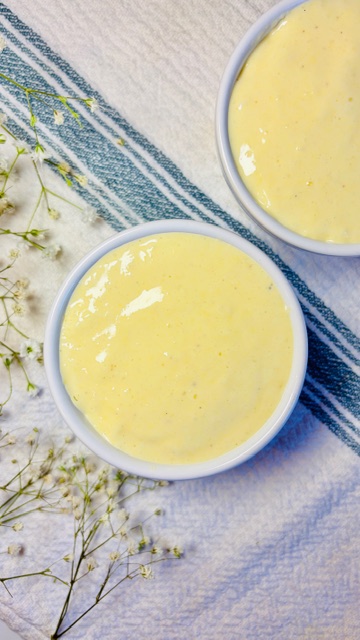
Homemade Polish Vanilla Pudding (Budyn)
If I had to choose one dessert that instantly takes me back to my childhood, it would be homemade budyn. My babcia still makes it to this day for special occasions and holidays, and somehow it always tastes exactly like it did when I was little. There’s something so comforting about watching her stand at the stove, whisk in hand, turning a few simple ingredients into the silkiest, creamiest vanilla custard.
In Poland, budyn is truly a classic. It’s made in homes, served in schools, poured into little dessert cups at family gatherings — it’s everywhere. But if you’ve never had it before, let me tell you: it is not your typical boxed pudding. It’s richer, silkier, more delicate. It feels homemade in the best possible way because it is. And honestly? It’s better.
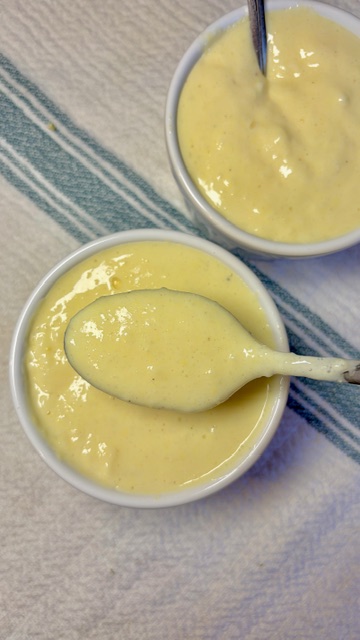
I love it straight from the bowl while it’s still warm, topped with a generous dollop of freshly whipped cream. But it’s also beautiful layered into cakes, spooned into pastry shells, or even served as a dipping sauce for cookies. It’s one of those versatile desserts that works just as well on its own as it does dressed up for something special.
This recipe is simple, traditional, and exactly how my family has always made it. Just milk, egg yolks, sugar, and starch — gently cooked together into something smooth, thick, and deeply comforting. It’s proof that sometimes the most humble desserts are the ones that stay with you forever.
This homemade Polish budyn is simple, nostalgic, and filled with tradition — just like my babcia still makes it.
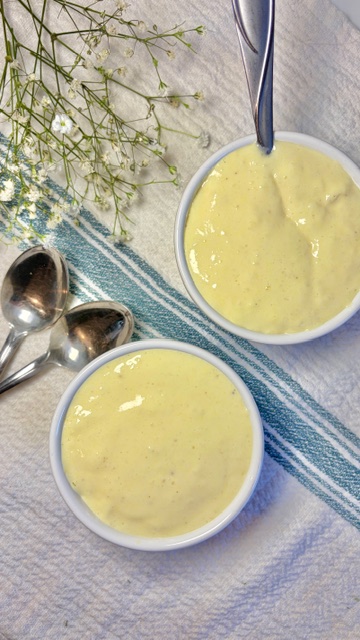
How to Make Sure You Get the Perfect Pudding Every Time
- Whisk constantly. This prevents lumps and keeps the texture silky smooth.
- Cook just until thickened. About one minute after it boils is perfect — overcooking can make it too stiff.
- Cover with plastic wrap touching the surface if cooling, so a skin doesn’t form.
- Don’t walk away from the stove. It thickens quickly!
Why We Use Each Ingredient
- Milk – The base of the custard, creating that creamy, smooth texture.
- Sugar – Sweetens and balances the richness of the egg yolks.
- Egg yolks – Add richness, color, and a luxurious mouthfeel.
- Potato flour (or cornstarch) – Thickens the custard without making it heavy. Potato flour gives it a slightly more traditional Polish texture.
- Vanilla extract – Provides that warm, classic flavor that makes budyn so comforting.
Can You Make This Another Way?
- Chocolate budyn: Whisk in 1–2 tablespoons of cocoa powder with the sugar.
- Strawberry or raspberry: Stir in fruit puree after cooking.
- Layer it: Use it as a filling for cakes, eclairs, or cream puffs.
- Serve chilled or warm: It’s delicious both ways.
- Can you freeze it? Not recommended. Freezing can change the texture and make it watery once thawed.
Ingredients
- 1 tablespoon vanilla extract (or oil-based vanilla extract)
- 2 cups + 2 tablespoons milk (500 ml)
- 5 tablespoons sugar
- 2 egg yolks
- 3 tablespoons potato flour or cornstarch
Directions
- Boil 1 ½ cups (350 ml) of the milk together with the vanilla extract and sugar.
- In a separate bowl, whisk the remaining room-cold milk with the egg yolks and potato flour until smooth.
- Slowly add this mixture to the boiling milk, stirring quickly with a whisk so that no lumps form.
- Bring back to a boil and cook for about one minute, stirring continuously, until the custard thickens.
- Remove from heat and pour into individual dessert glasses or bowls if using.
If serving warm, enjoy immediately with whipped cream if desired.
If serving cold, cover immediately with plastic wrap so it touches the surface of the custard. This prevents a milk skin from forming on top. Refrigerate until fully chilled before serving.
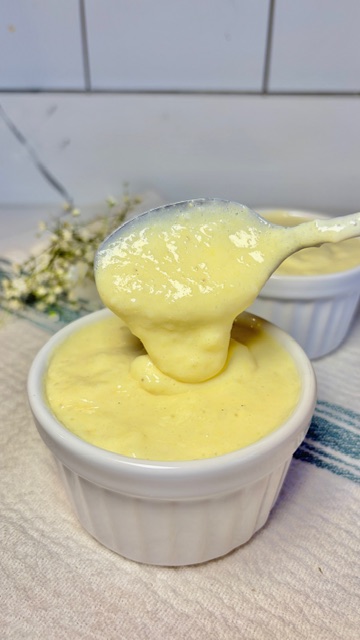
Make-Ahead & Storage
Make Ahead:
Budyn can be made up to 2 days in advance. Store covered in the refrigerator.
Storage:
Keep refrigerated in airtight containers for up to 3 days. The texture may thicken slightly as it sits — simply give it a good stir before serving.
Reheating:
If you prefer it warm, gently heat on the stovetop over low heat, stirring constantly. You may need to add a splash of milk to loosen it.