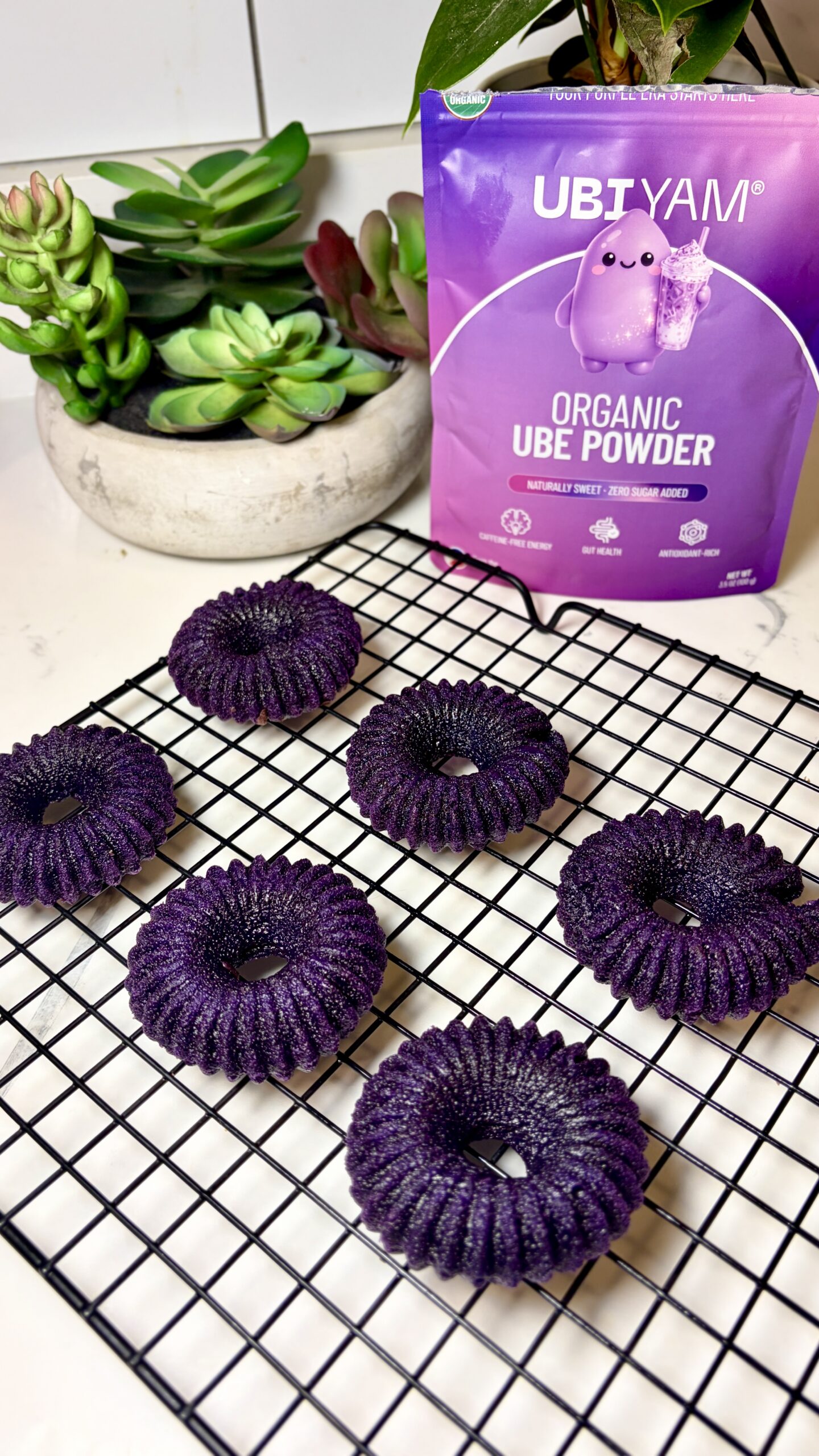
Mini Ube Mochi Donuts
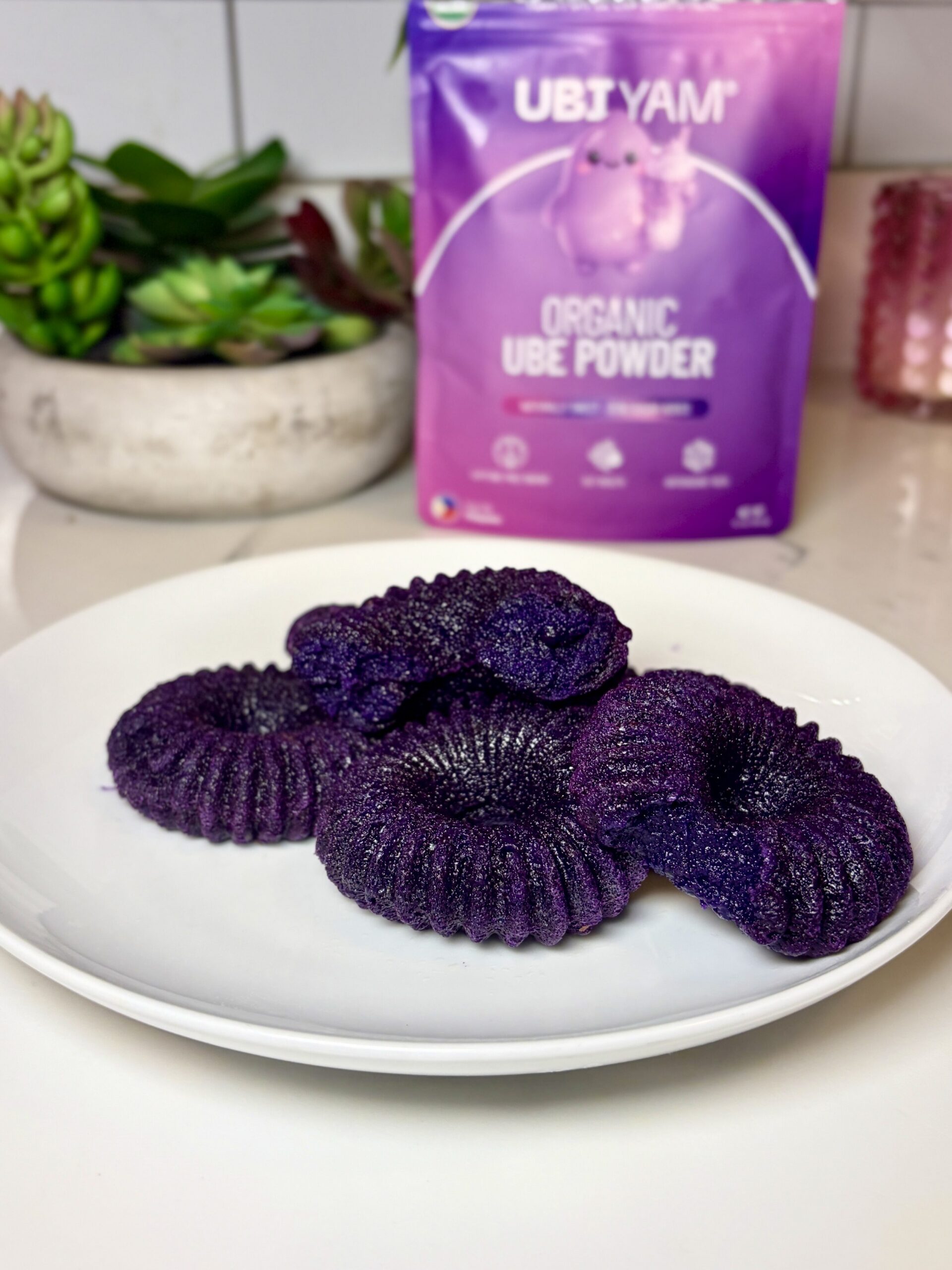
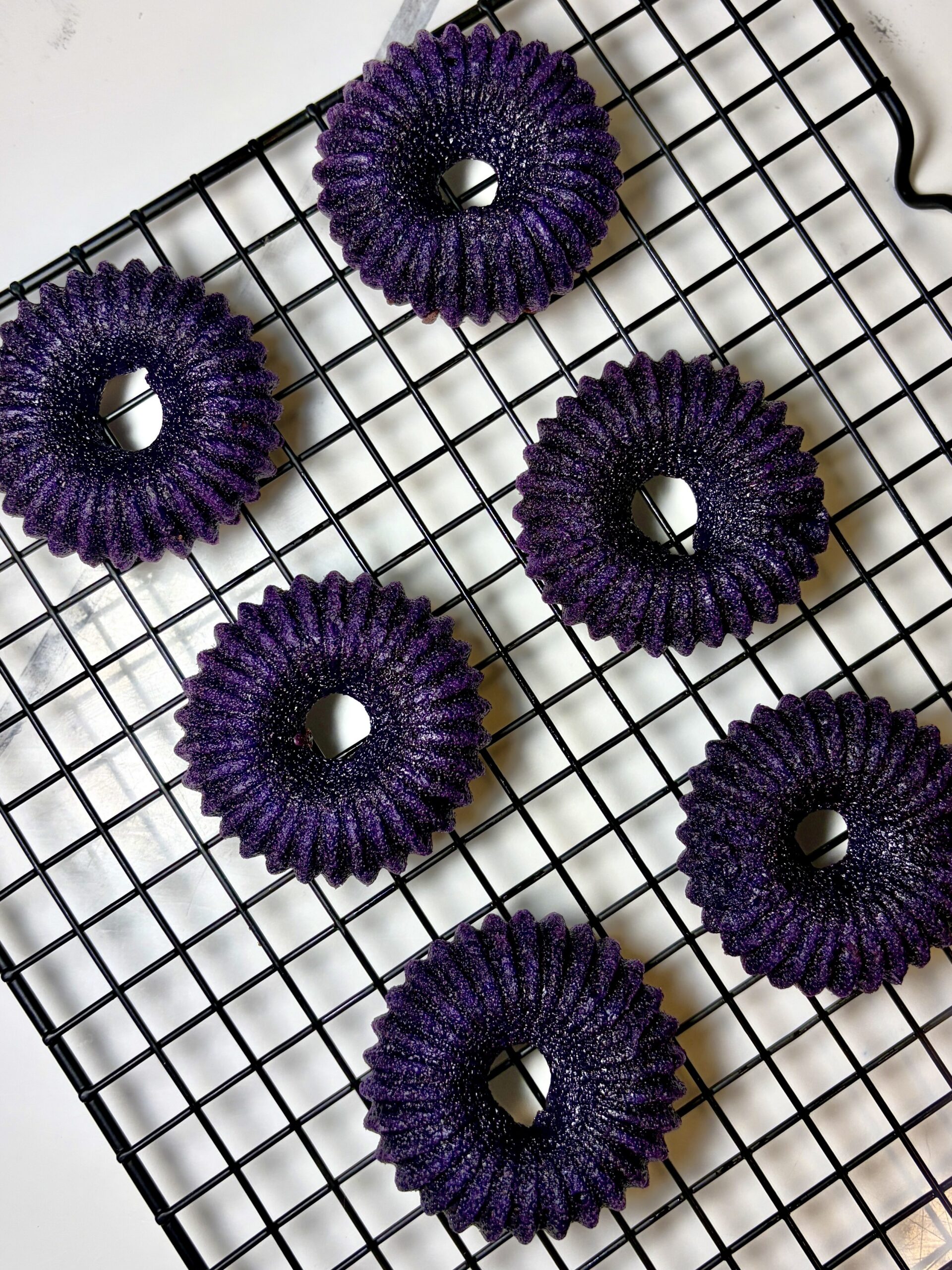
These Mini Ube Mochi Donuts are soft, chewy, and perfectly bite-sized with the prettiest natural purple hue. Made with sweet glutinous rice flour, real ube powder, coconut milk, and a touch of ube extract, they have that signature bouncy mochi texture with a subtly sweet, nutty ube flavor. Baked in a mini donut mold instead of fried, they’re an easy little treat that’s just as fun to make as they are to eat.
Why You’ll Love These Ube Mochi Donuts
If you love the chewy texture of mochi, these tiny donuts are such a fun way to enjoy it. They’re somewhere between a baked donut and mochi cake, with a soft, springy center and beautifully shaped exterior.
- Perfectly chewy. Mochiko sweet rice flour gives these donuts their signature soft and bouncy texture.
- Made with real ube. Pure ube powder adds authentic purple yam flavor, while a little ube extract can enhance both the flavor and color.
- Naturally gluten-free. Mochiko is made from glutinous rice rather than wheat. Despite its name, “glutinous” refers to its sticky texture—not gluten.
- Baked, not fried. There’s no frying or pot of oil required.
- Perfectly mini. The tiny size makes these adorable for parties, brunches, or whenever you want a little sweet treat.
- Simple enough to eat plain. They’re flavorful and sweet enough on their own without needing a glaze or coating.
Ingredient Notes
Mochiko Sweet Rice Flour: This is the most important ingredient in the recipe and cannot be substituted with regular rice flour or all-purpose flour. Mochiko, also called sweet or glutinous rice flour, is what creates the distinctive chewy, stretchy mochi texture.
Ube Powder: Pure ube powder is made from dried purple yam and adds real ube flavor to the donuts. Because it is a dry ingredient, you only need a small amount in this recipe.
Granulated Sugar: Just three tablespoons lightly sweetens the donuts without overpowering the delicate ube and coconut flavors.
Coconut Milk: Coconut and ube are such a natural pairing. Coconut milk also adds moisture and richness to the mochi batter.
Butter: Melted butter adds richness and helps keep the donuts tender.
Ube Extract: This is optional, but I recommend it if you have it. Pure ube powder can produce a more muted purple once baked, while a little ube extract intensifies the ube flavor and gives the donuts a prettier purple color.
Vanilla Extract: A touch of vanilla rounds out the ube and coconut flavors.
Tips for the Best Ube Mochi Donuts
Use sweet rice flour. Regular rice flour will not give you the same chewy texture. Look specifically for Mochiko or another flour labeled sweet or glutinous rice flour.
Don’t add too much ube powder. Since pure ube powder is dry and starchy, adding significantly more can throw off the moisture balance and make the donuts dry or dense.
Pipe the batter into your mold. Especially when using a small silicone mold with lots of detail, a piping bag makes filling each cavity much cleaner and easier.
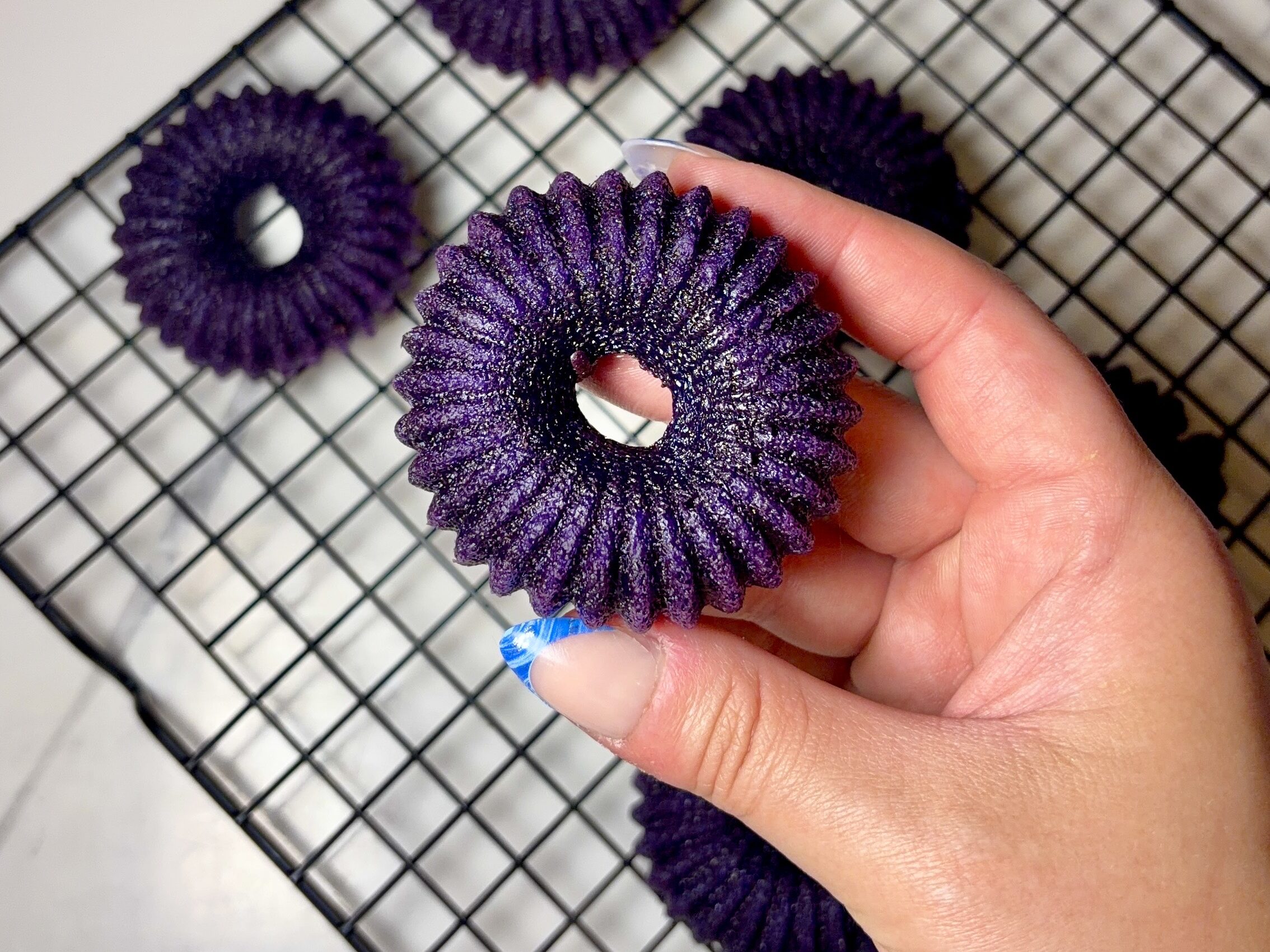
Don’t overfill the cavities. Fill them approximately ⅔ to ¾ full so the donuts have room to rise and the center holes remain visible.
Let them cool before unmolding. Give the donuts about 10 minutes in the mold after baking. They’re delicate while piping hot, and allowing them to set makes it much easier to release them without damaging their shape.
Frequently Asked Questions
What is ube?
Ube is a purple yam commonly used in Filipino desserts. It has a subtly sweet, earthy and slightly nutty flavor that pairs especially well with coconut and vanilla.
Is Mochiko the same as regular rice flour?
No. Mochiko is a sweet or glutinous rice flour that becomes wonderfully chewy when cooked. Regular rice flour behaves differently and should not be substituted in this recipe.
Does glutinous rice flour contain gluten?
Despite the name, glutinous rice flour is naturally gluten-free. “Glutinous” describes the sticky, chewy consistency of the cooked rice rather than the presence of gluten.
Do I need ube extract?
No. The donuts can be made using only pure ube powder. However, ube extract will give them a stronger ube flavor and more vibrant purple color.
Can I make these without a silicone mold?
Yes. I used a mini silicone donut mold, but another mini donut pan should work. Because different molds vary in size and material, keep an eye on the donuts toward the end of baking since the exact baking time may vary slightly.
Why aren’t my donuts bright purple?
Pure ube powder creates a much more natural, muted purple than you may associate with ube desserts. For a brighter purple color, add the optional ube extract.
Storage
These mini ube mochi donuts are best enjoyed the day they’re baked, when their texture is at its softest and chewiest.
Store leftovers in an airtight container at room temperature for up to 2 days. Because mochi naturally firms as it sits, you can warm a leftover donut briefly in the microwave for a few seconds to help soften the texture again.
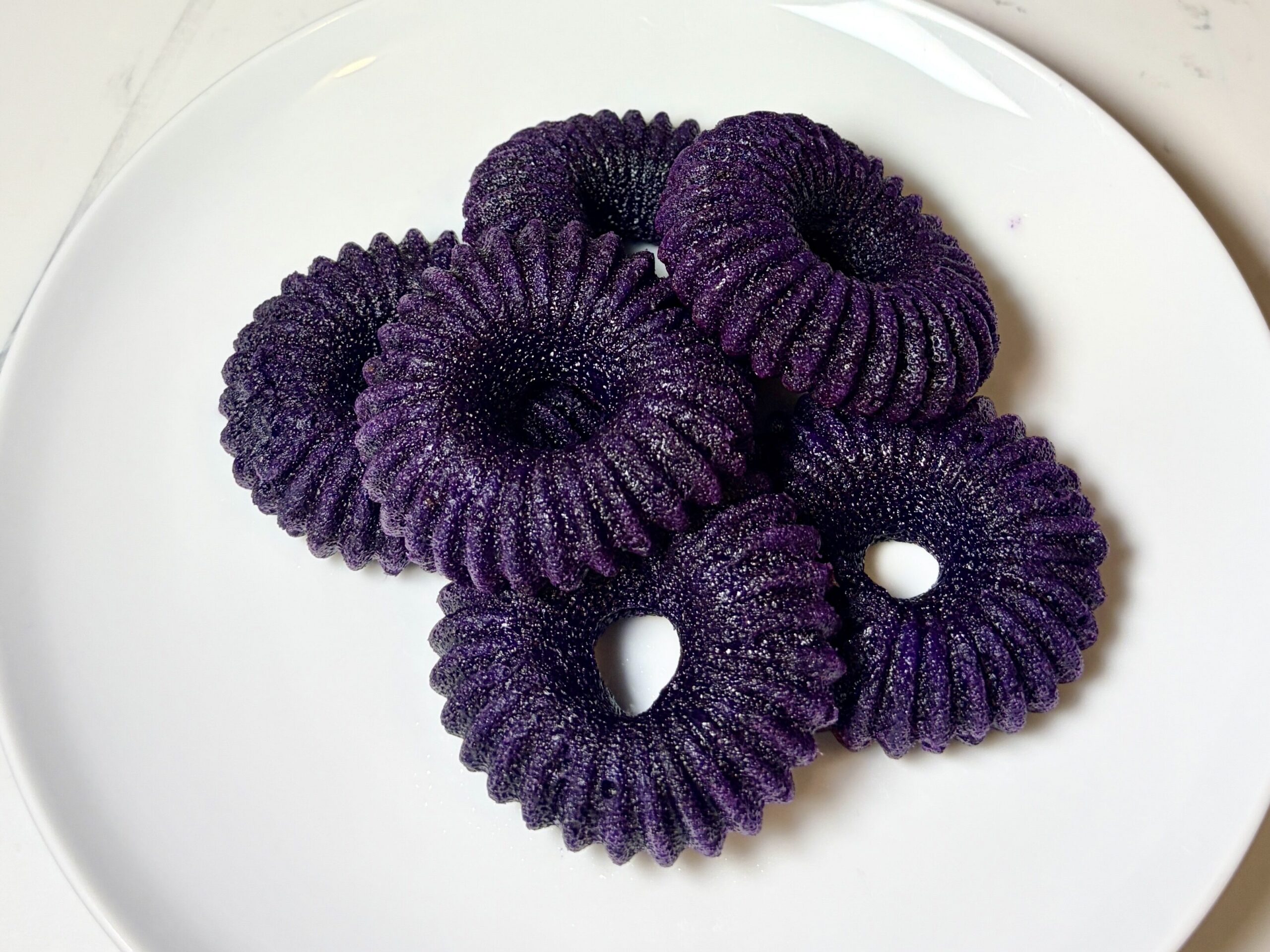
Tools You’ll Need
This recipe comes together with just a few simple baking essentials. This section contains Amazon affiliate links, which means I may earn a small commission from qualifying purchases at no additional cost to you. Thank you so much for supporting Bonia Bakery! 🤍
Mini Silicone Donut Mold
A mini silicone donut mold works perfectly for creating these small ube mochi donuts and makes them easy to release once cooled.
Baking Sheet
Place your silicone mold on a sturdy baking sheet before filling it to make transferring it in and out of the oven much easier.
Mixing Bowls
You’ll need a couple of mixing bowls for separately combining the wet and dry ingredients.
Piping Bags
Piping the batter into the tiny donut cavities is much easier and cleaner than trying to spoon it in.
Silicone Spatula
Perfect for scraping down the bowl and making sure none of that ube mochi batter goes to waste.
Cooling Rack
Allows the mini donuts to cool evenly after they’re carefully removed from the mold.
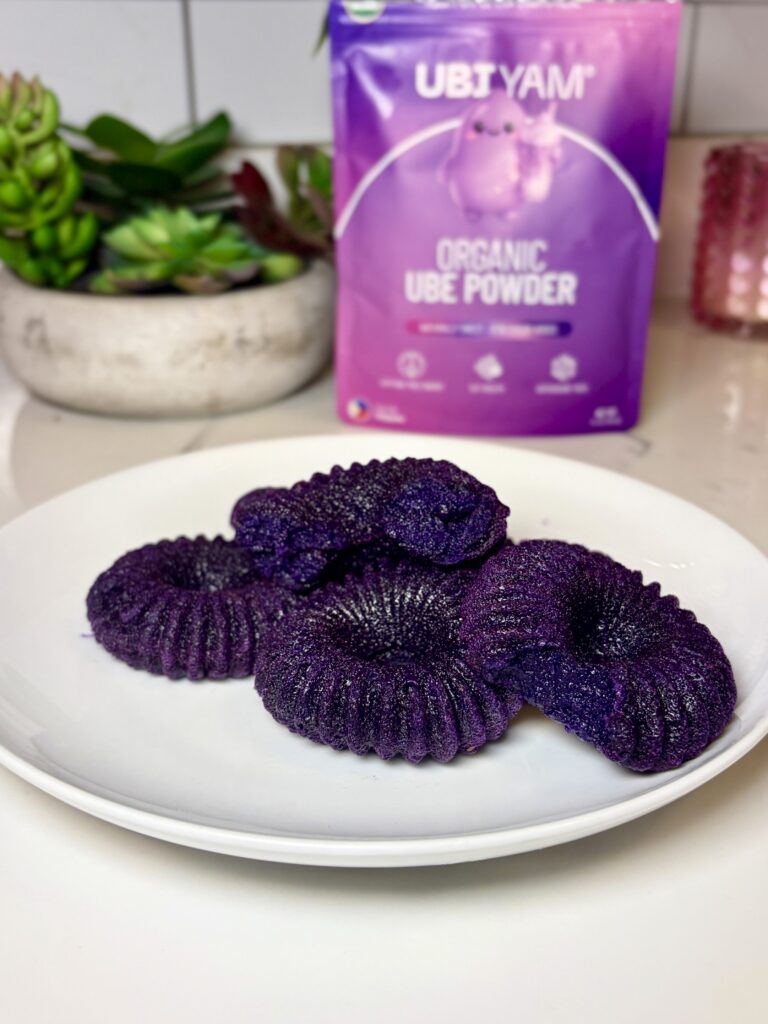
Mini Ube Mochi Donuts
Prep Time: 10 minutes
Bake Time: 10–14 minutes
Cooling Time: 10 minutes
Total Time: 30–35 minutes
Yield: 6 mini donuts
Ingredients
- ½ cup (75 g) Mochiko sweet/glutinous rice flour
- 2 teaspoons (5–6 g) pure ube powder
- 3 tablespoons (38 g) granulated sugar
- ½ teaspoon baking powder
- ⅛ teaspoon kosher salt
- 1 large egg
- ⅓ cup (80 g) coconut milk
- 1½ tablespoons (21 g) unsalted butter, melted and slightly cooled
- ½ teaspoon vanilla extract
- ¼ teaspoon ube extract, optional
Instructions
- Preheat the oven to 350°F. If using a silicone mini donut mold, place it on a metal baking sheet before filling so it remains stable when transferring it to the oven.
- Lightly grease the cavities of the mini donut mold with softened butter, neutral oil, or nonstick baking spray. If your mold has an intricate design, make sure to lightly coat all the small grooves.
- In a medium mixing bowl, whisk together the Mochiko sweet rice flour, ube powder, granulated sugar, baking powder, and salt until evenly combined and any clumps of ube powder are broken up.
- In a separate bowl, whisk together the egg, coconut milk, melted butter, vanilla extract, and ube extract, if using, until smooth.
- Pour the wet ingredients into the dry ingredients and whisk until completely combined and you have a smooth, pourable batter with no dry pockets remaining.
- Transfer the batter to a piping bag or large zip-top bag with one corner snipped off. Pipe the batter evenly between the 6 mini donut cavities, filling each approximately ⅔ to ¾ full.
- Bake for 10–14 minutes, beginning to check the donuts at 10 minutes. They are done when they have puffed slightly, the tops look set, and they spring back when gently pressed.
- Allow the donuts to cool in the mold for about 10 minutes. If using silicone, gently peel the mold away from the edges of each donut before carefully releasing it. Transfer the donuts to a cooling rack and allow them to finish cooling.